
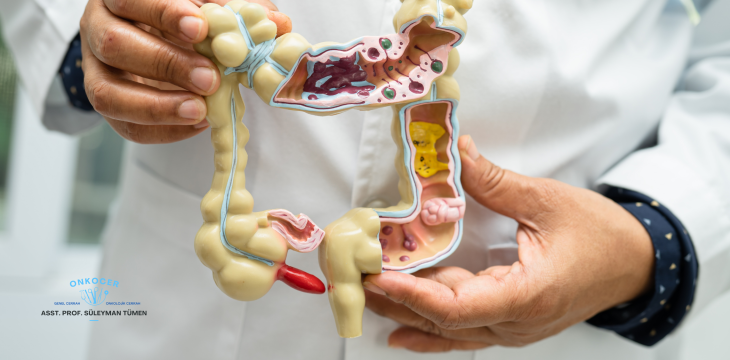
Managing Ileus (Bowel Obstruction) During Cancer Treatment
The cancer diagnosis and treatment journey is an emotionally and physically demanding process. During this sensitive period, listening to your body's signals, understanding sudden changes, and seeking prompt expert support when needed are crucial. One of the most challenging complications cancer patients may encounter is ileus—a condition where the digestive system slows down temporarily or comes to a complete standstill. Characterized by symptoms such as abdominal bloating, severe cramping, nausea, and an inability to pass gas, it can naturally cause significant worry for patients and their families. However, you should know that you are not alone on this path; with the advanced approaches offered by modern medicine, ileus can be managed safely and effectively.
What Is Ileus and Why Does It Occur in Cancer Patients?
Known medically as bowel obstruction or sluggishness, ileus stems primarily from two main causes. The first is mechanical obstruction, which occurs when a physical barrier forms in the intestines—such as intra-abdominal tumors, adhesions, or masses. The second is paralytic ileus, where intestinal motility temporarily stops, often following abdominal surgery or due to certain medications, electrolyte imbalances, and medical therapies.
In cancer patients, existing tumors, previous abdominal surgeries, or chemotherapy protocols can disrupt normal digestive motility. This hinders the movement of intestinal contents, causing substantial distress. Because every patient's clinical picture is as unique as a fingerprint, generic solutions are set aside in favor of a fully personalized strategy tailored after meticulous review of the patient's medical history, nutritional status, and stage of cancer treatment. In evaluations led by Asst. Prof. Dr. Süleyman Tümen, the most appropriate medical and surgical roadmap is carefully drawn up, prioritizing oncological principles and patient comfort above all else.
Modern Approaches and Surgical Solutions in Managing Ileus
When a patient presents with suspected ileus, the primary goal is to rest the bowels, maintain fluid and electrolyte balance, and clearly identify the underlying cause of the obstruction. While non-surgical treatments—such as medical therapy, bowel rest, and gastric decompression via a nasogastric (NG) tube—may suffice in some cases, surgical intervention becomes necessary when dealing with mechanical obstructions.
If surgery is required, advanced laparoscopic (minimally invasive) techniques make the procedure significantly more comfortable for patients. The primary objectives are preserving healthy tissue, restoring intestinal circulation, and enabling the patient to resume their primary oncology treatment as quickly as possible. In the hands of an experienced surgeon, this critical phase is managed safely while keeping potential risks to a minimum.
Complications like ileus encountered during cancer care demand seamless collaboration among medical oncologists, gastroenterologists, dietitians, and surgeons. This multidisciplinary board approach guarantees that the patient receives the safest, most precise, and effective care possible.
Remaining emotionally resilient during these challenging times and communicating openly with your doctor about any concerns brings immense relief. The support of your loved ones, combined with the professional guidance of Asst. Prof. Dr. Süleyman Tümen, will help you navigate this hurdle with confidence. We are here to safeguard your health and stand by you in any urgent situation; we will walk this path together, with determination and reassurance.