
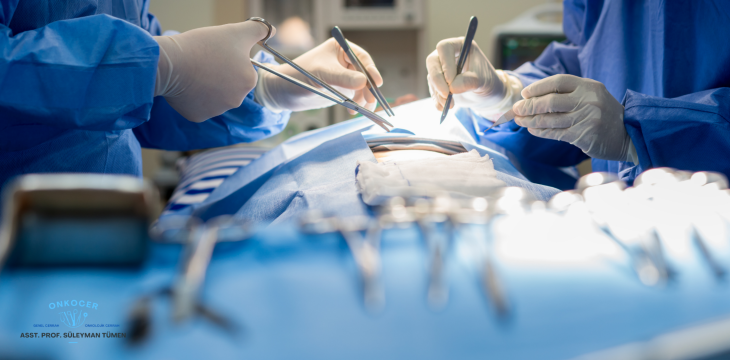
Innovative and Holistic Approaches in Cancer Treatments: Science and Hope for a Brighter Future
A cancer diagnosis is undoubtedly one of the most overwhelming pieces of news an individual and their family can ever face. The flood of uncertainty, anxiety, and fear that follows is deeply human and completely understandable. Yet, the breathtaking advancements in medicine—particularly over the last two decades—have transformed cancer from a hopeless prognosis into a manageable, treatable, and entirely beatable condition. Today, the fields of oncology and surgery boast a vast arsenal ranging from cellular-level genetic profiling to cutting-edge robotic and laparoscopic technologies. Utilizing this arsenal to its fullest potential, however, requires the right guidance—one that seamlessly unites science, empathy, and multidisciplinary expertise.
Cancer treatment is never a one-size-fits-all formula. Every patient’s genetic makeup, immune system, tumor biology, and disease stage are as unique as a fingerprint. For this reason, modern cancer care demands fully personalized treatment plans where surgery, medical oncology, radiation oncology, and psychological support teams collaborate like a finely tuned orchestra. Centered around this holistic philosophy, the surgical oncology practice led by Asst. Prof. Dr. Süleyman Tümen offers patients far more than a medical intervention—it provides a clear, reassuring roadmap to recovery.
The Backbone of Cancer Treatment: Surgical Oncology
For many solid organ cancers, surgery remains the most effective and definitive treatment method to eradicate the disease. The primary objective of surgical oncology is to completely remove the tumorous tissue along with a clear margin of healthy surrounding tissue and regional lymph nodes. In early-stage cancers, a successful surgical operation alone can often achieve a complete cure.
Surgical oncology is far more than a mechanical procedure of excising a tumor. An experienced surgeon must safeguard the patient's quality of life, preserve organ function, and respect bodily integrity. For instance, techniques like "breast-conserving surgery"—which removes only the tumor instead of performing a full mastectomy—or "sphincter-saving" approaches in rectal cancer that preserve bowel function represent some of the greatest advancements modern surgery offers for patient comfort and dignity.
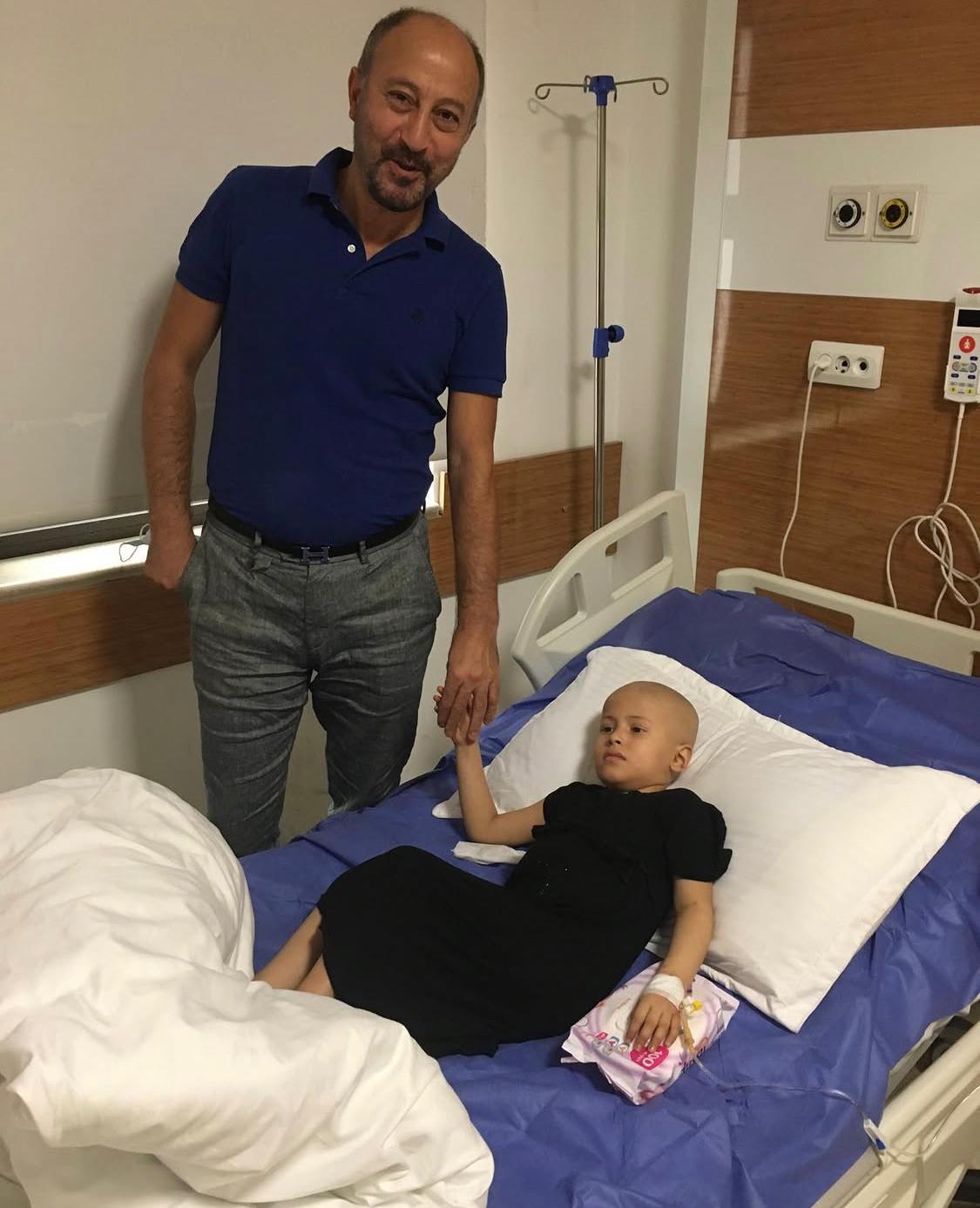
Advanced Laparoscopic Approaches: Minimally Invasive, Maximum Comfort
In years past, cancer surgeries were synonymous with large incisions, prolonged hospital stays, and arduous recovery periods. Today, laparoscopic (keyhole) surgeries—combining state-of-the-art technology with elite surgical expertise—have redefined the gold standard in surgical oncology.
Applied in cancers of the stomach, colon, rectum, and other abdominal organs, minimally invasive methods eliminate the need for large abdominal incisions. Instead, surgeons work through tiny millimeter-sized ports using high-definition cameras and micro-surgical instruments. In the hands of surgeons with deep expertise in advanced laparoscopy, such as Asst. Prof. Dr. Süleyman Tümen, this approach offers extraordinary benefits for patients:
- Minimal Pain: The tiny incision sites dramatically reduce post-operative pain.
- Rapid Recovery: Patients are often up and walking the same day, spending significantly less time in the hospital and returning to their normal daily routines and work much faster.
- Lower Risk of Complications: Risks such as bleeding and wound infections are markedly lower compared to open surgeries.
- Timely Onset of Adjuvant Therapies: If a patient requires post-surgical chemotherapy or radiation therapy, swift wound healing allows these vital treatments to begin without delay.
A Revolution in Advanced Intra-Abdominal Cancers: HIPEC (Hyperthermic Intraperitoneal Chemotherapy)
For decades, the spread of stomach, colon, rectal, or ovarian cancers to the abdominal lining (peritoneum) was considered medically untreatable—a final stage where only palliative care could offer symptom relief. However, the combination of Cytoreductive Surgery and HIPEC (Hyperthermic Intraperitoneal Chemotherapy) has fundamentally reshaped this bleak outlook, giving patients genuine hope for extended survival and cure.
This complex, highly specialized surgical procedure consists of two main phases:
1. Cytoreductive Surgery: Over hours of meticulous operation, the surgeon removes all visible tumor masses and metastatic implants within the abdominal cavity.
2. Hyperthermic Chemotherapy (HIPEC): To destroy invisible, microscopic cancer cells, chemotherapy drugs heated to 42–43°C using specialized equipment are circulated directly throughout the abdominal cavity immediately following the surgical resection.
The synergistic effect of heat in destroying tumor cells, combined with administering significantly higher doses of chemotherapy directly to the targeted area rather than intravenously, multiplies the success of the HIPEC procedure. Because systemic absorption into the bloodstream is minimal, patients experience far fewer systemic side effects (such as hair loss or severe nausea). This groundbreaking approach represents one of the highest peaks of surgical oncology, markedly improving both survival rates and quality of life for patients once deemed end-stage.
The Power of Systemic Therapies: Medical Oncology and Targeted Drugs
While surgery targets localized disease, combating cancer’s systemic nature is the domain of medical oncology. Fighting cancer on a single front is rarely enough; when surgical precision is reinforced with modern pharmacotherapies, long-term success rates increase dramatically.
- Next-Generation Chemotherapies: In place of the harsh, high-toxicity drugs of the past, modern oncology utilizes next-generation agents that halt cell division far more specifically with manageable side effects. Chemotherapy may be administered before surgery (neoadjuvant) to shrink tumors and make them resectable, or after surgery (adjuvant) to eliminate the risk of recurrence.
- Smart Drugs (Targeted Therapies): By analyzing the genetic mutations of tumor cells, these therapies specifically pinpoint and attack the molecular flaws within cancer cells. Destroying malignant cells while sparing healthy tissue, these smart molecules have transformed treatment outcomes, particularly in colon and breast cancers.
- Immunotherapy: One of the most groundbreaking breakthroughs in recent oncological history, immunotherapy drugs do not attack cancer cells directly. Instead, they "awaken" the patient’s own immune system to recognize and eradicate malignant cells. By transforming the body’s defense mechanisms into a potent weapon, this approach delivers long-lasting remissions in various cancer types.
Radiotherapy (Radiation Therapy): Precision-Targeted Interventions
Radiation oncology serves as the third pillar of comprehensive cancer care, relying on high-energy X-rays aimed precisely at the tumor site to shatter the DNA of cancer cells. State-of-the-art radiation technologies—such as TrueBeam or CyberKnife—map the tumor’s geometry with millimeter precision and account for the patient's respiratory movements in real time. This ensures pinpoint radiation delivery to the tumor while completely safeguarding surrounding healthy tissue. Integrated before or after surgery in rectal and breast cancers, radiotherapy virtually eliminates the risk of local recurrence.
The Unsung Heroes of Treatment: Psychology and Nutrition
Overcoming cancer is not solely a matter of a surgeon's scalpel or a drug's dosage; it is equally driven by a patient's resilience, hope, and will to heal. For this reason, the care philosophy embraced at www.onkocer.com.tr focuses on treating the whole person, not just the disease.
Particularly following gastrointestinal (stomach and bowel) cancer surgeries, restructuring dietary habits and tailoring essential vitamin, protein, and mineral intake alongside specialized dietitians forms a vital component of recovery. Simultaneously, providing continuous psychological support to patients and their loved ones from the moment of diagnosis through post-discharge serves as the strongest catalyst for treatment adherence and emotional strength.
In an era where options are never exhausted—even in advanced stages—and science opens new doors of hope every single day, you are not powerless against cancer. With accurate diagnosis, prompt action, state-of-the-art technology, and a multidisciplinary team led by highly experienced specialists like Asst. Prof. Dr. Süleyman Tümen, rebuilding your health is entirely within reach. With every confident step you take toward your future, we stand by your side with advanced treatment modalities and unwavering support. Powered by science and driven by human-centered care, we will walk this path to healing together.